The 24 Solar Terms Tea Ritual
Drinking in time with heaven and earth
Spring unfolds, summer ripens, autumn gathers, winter rests.
The natural world moves through its cycles without hurry or resistance.
Tea, too, follows this rhythm.
To drink tea in accordance with the solar terms is to let each cup become a small act of listening
— to the season, to the body, to the quiet intelligence of time passing.
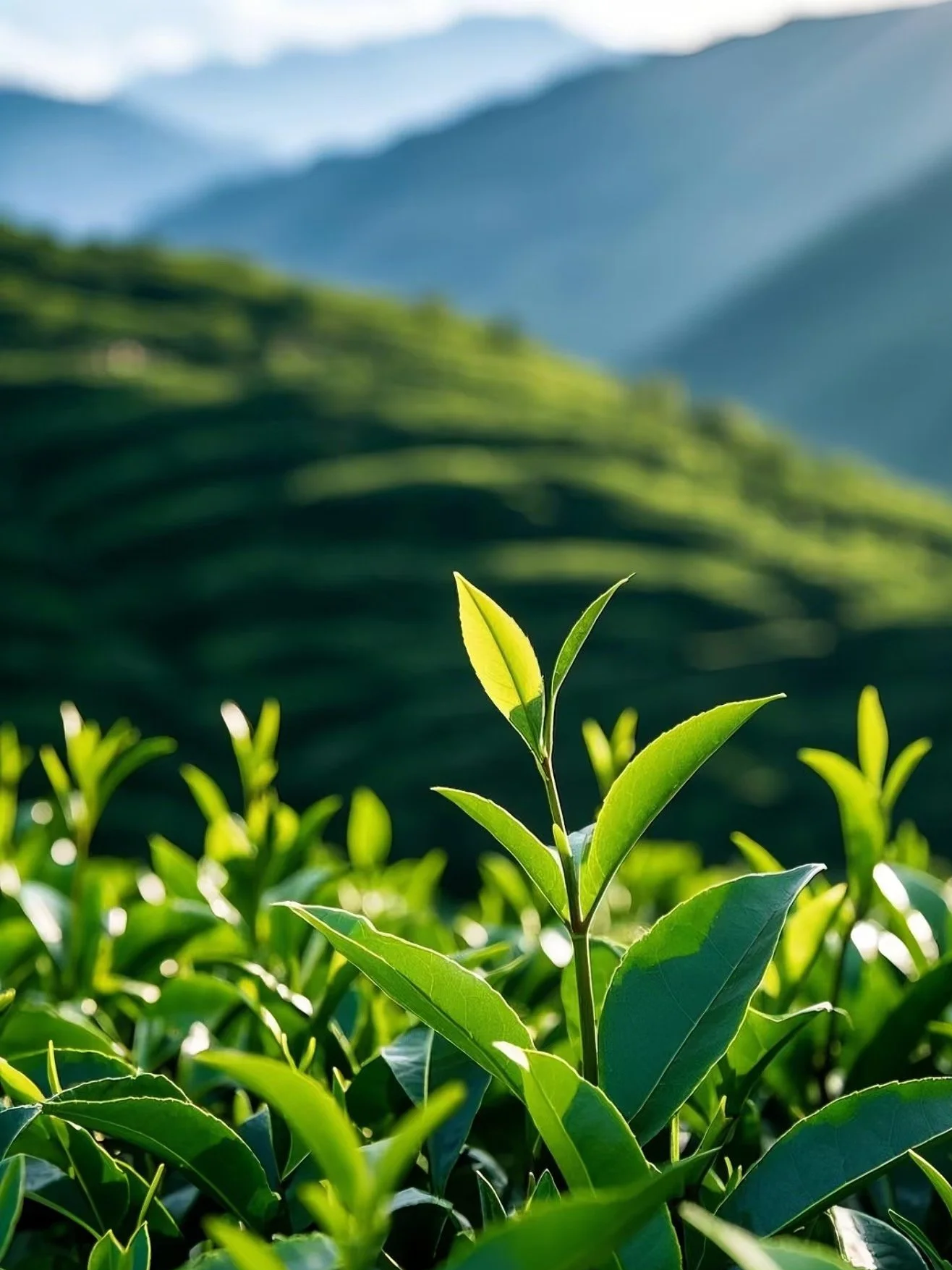
Spring · Return · The body awakens
Start of Spring — Lìchūn · Winter loosens its hold. The first warmth arrives not with force but with suggestion — a softening in the air, a faint green stirring beneath the soil. The body, long contracted by cold, begins to open.
Rain Water — Yǔshuǐ · Rain returns to the earth. The air carries moisture. What was dry begins to soften, and the world becomes visibly more alive with each passing day.
Awakening of Insects — Jīngzhé · crack of thunder, and the sleeping world stirs. Energy that has been held underground rises suddenly to the surface. The body feels it — restless, ready, wanting to move.
Spring Equinox — Chūnfēn · Day and night are equal. The year is balanced on its own axis. Blossoms are opening; birdsong has returned. This is the fullness of spring — expansive, warm, unhurried.
Clear and Bright — Qīngmíng · The air clarifies. Light sharpens. Pre-Qingming teas — picked before this date — are among the most prized of the year, harvested at the very peak of spring's concentration.
Grain Rain — Gǔyǔ · Apr 19–21 The last rains of spring fall heavy and generous, nourishing the grains that will feed the year ahead. Spring is complete, full to its edges, about to become something else.
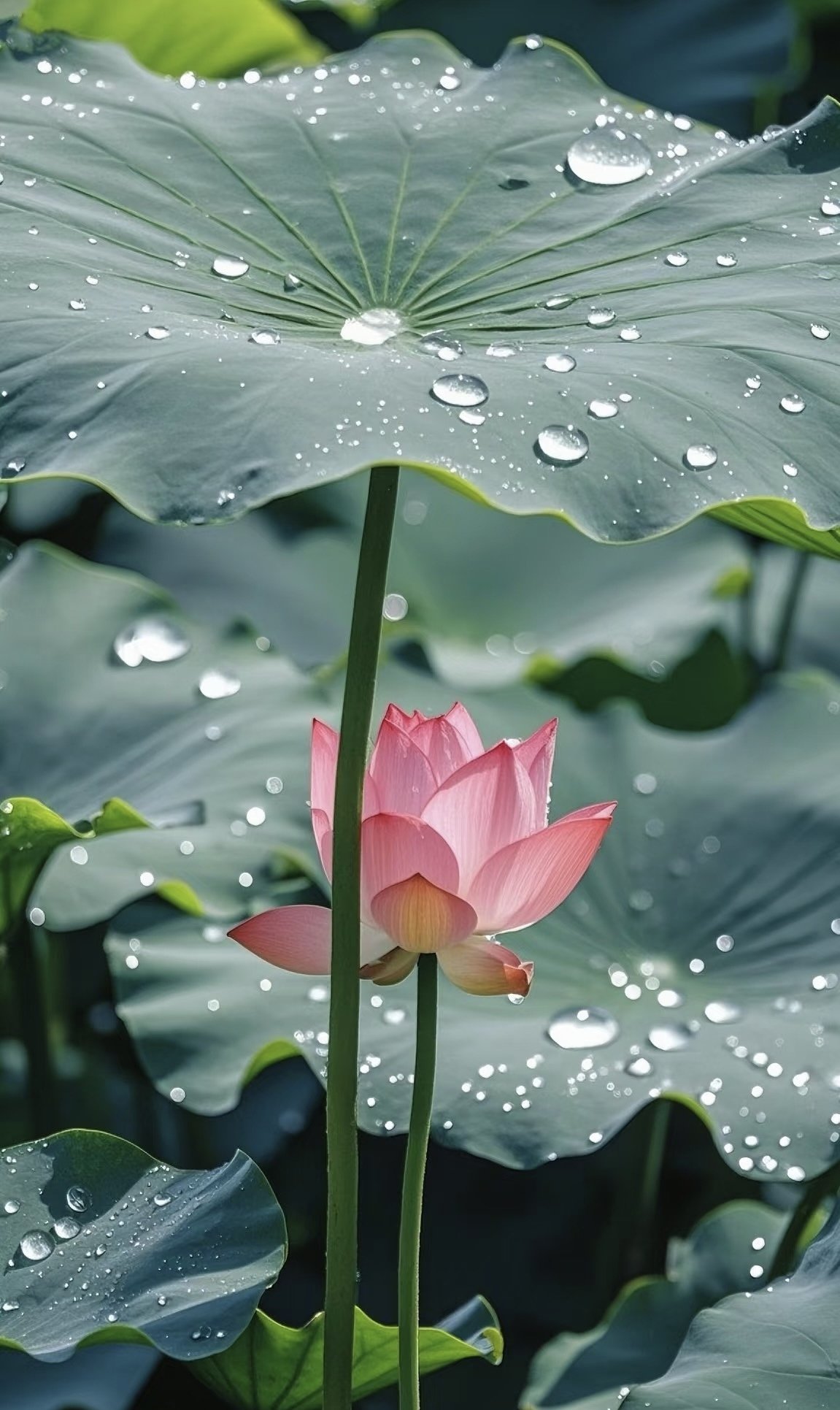
Summer · Ripening · The body opens fully
Start of Summer — Lìxià · May 5–7 Spring's gentle warmth becomes summer's confident heat. The world turns visibly lush. The body is alert and energised, but must be protected from the excesses of a season that can overheat.
Grain Buds — Xiǎomǎn · May 20–22 The grains are swelling but not yet ripe. Heat and humidity begin to combine into a thick, close feeling that weighs on the body and dulls the mind. The fullness of summer is coming.
Grain in Ear — Mángzhòng · Jun 5–7 The most demanding agricultural term of the year, when heat, humidity, and the full weight of summer work arrive together. The body is tested. Cooling and restoration become essential.
Summer Solstice — Xiàzhì · Jun 21–22 The longest day. Yang reaches its apex — and at the very moment of fullness, yin begins its quiet return. The solstice is as much a threshold as it is a peak.
Minor Heat — Xiǎoshǔ · Jul 6–8 Heat is now sustained and inescapable. The air is heavy with humidity. Restlessness and fatigue set in together — the summer exhaustion that comes not from exertion but from endurance.
Major Heat — Dàshǔ · Jul 22–24 The hottest days of the year. Heat and dampness reach their combined peak. The body needs relief — not stimulation. The cup should do less, not more.
Autumn · Gathering · The body turns inward
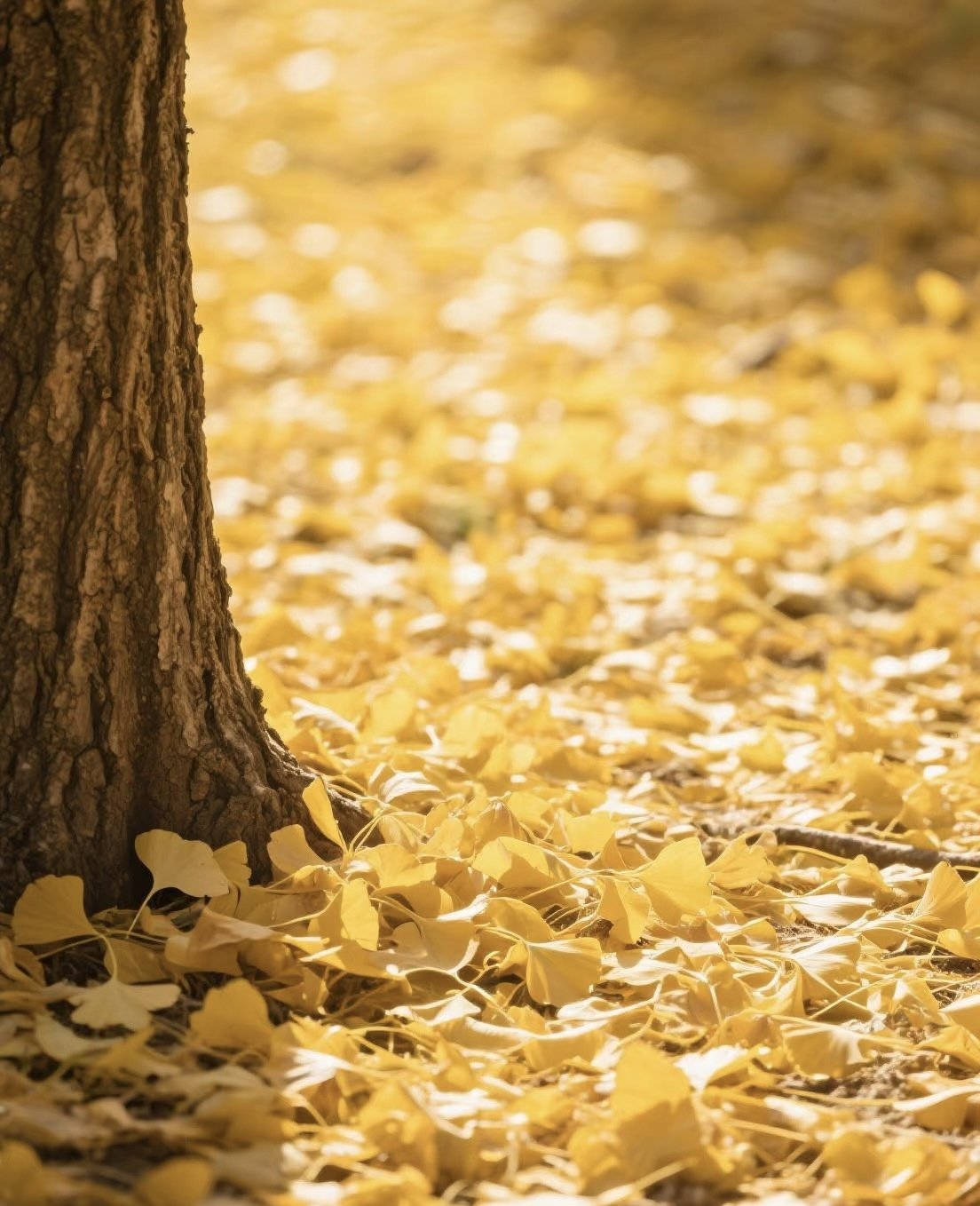
Start of Autumn — Lìqiū · Summer has not yet released its grip, but something has shifted. A new quality in the air — drier, slightly sharper — announces that the season is changing. The body begins, almost without noticing, to contract.
End of Heat — Chǔshǔ · The heat withdraws. Autumn air arrives in earnest — cool mornings, warm afternoons, evenings that ask for something more substantial than a summer cup.
White Dew — Báilù · Dew appears on the grass in the mornings. The air is noticeably drier. The lungs — which govern autumn in Chinese medicine — begin to feel the seasonal dryness in the throat and skin.
Autumn Equinox — Qiūfēn · Day and night are equal once more, but this time the balance tilts toward darkness. Autumn is at its most itself — clear skies, golden light, a beauty that is inseparable from the awareness of passing.
Cold Dew — Hánlù · The dew is now cold to the touch. The cold has arrived in the body's lower half — the joints, the lower back. Autumn dryness and cold begin to combine into something more serious.
Frost's Descent — Shuāngjiàng · The last term of autumn. Frost touches the remaining leaves. The year's last colour flares before the cold takes it. The body must now be sealed and readied for winter's long interior season.
Winter · Stillness · The body stores and rests
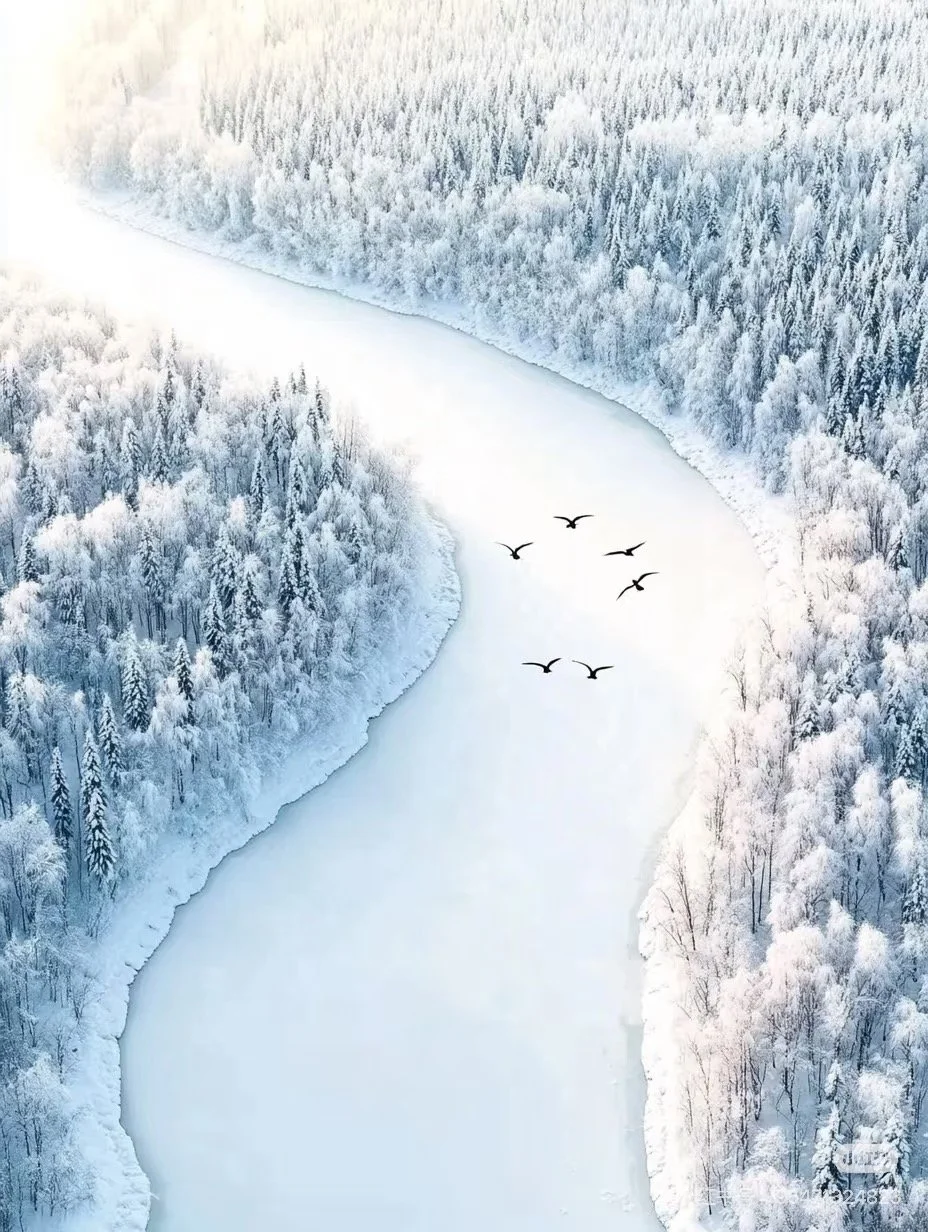
Start of Winter — Lìdōng · The year turns inward. Wind arrives. Temperature drops. The natural world closes down into itself, conserving what it has accumulated. The body follows — it is time to rest, to store, to sustain.
Minor Snow — Xiǎoxuě · The first snow falls lightly. The world muffles itself. Cold and quiet arrive together, and the body needs sustained warmth rather than stimulation — something that keeps rather than brightens.
Major Snow — Dàxuě · The snow falls heavily now. Beneath it, everything is waiting. This is the deepest stillness of the season — a time for conservation, not consumption. The body should be kept warm and undisturbed.
Winter Solstice — Dōngzhì · The longest night of the year. Yin is at its peak, and within that peak, the first seed of yang is planted. The solstice is the still point from which the entire next year will grow.
Minor Cold — Xiǎohán · Cold is at its harshest. Wind and stillness together. The body must be kept warm from within — through rest, through warmth, through a certain quality of patience that only deep winter teaches.
Major Cold — Dàhán · The final term of the twenty-four. Cold at its absolute extreme — and somewhere beneath it, spring is already gathering itself. The cycle has not ended; it is completing, preparing to begin again.
Upcoming Events
Drink with the seasons. Let each cup be a small return
— to the present, to the body, to the unhurried intelligence of time.
May 21
Grain Buds
three kinds of tea
10:30AM
JUNE 5
Grain in Ear
three kinds of tea
10:30AM
JUNE 21
Summer Solstice
three kinds of tea
10:30AM
JULY 7
Minor Heat
three kinds of tea
10:30AM
July 23
Major Heat
three kinds of tea
10:30AM
Aug 7
Start of Autumn
three kinds of tea
10:30AM